DepartUK › Guides › Off-Peak vs Anytime Train Tickets: What the Difference Costs You
Off-Peak vs Anytime Train Tickets: What the Difference Costs You
Off-Peak vs Anytime Train Tickets: What the Difference Actually Costs You
Anyone who has bought a last-minute train ticket in the UK knows the sinking feeling at the ticket machine. You search for a train departing at 08:45, see an eye-watering fare, and notice that the 09:35 service costs half as much. Welcome to the great divide between Anytime and Off-Peak tickets.
On paper, the rule sounds simple: peak trains run when commuters pack the platforms, and off-peak trains run when carriages empty out. In practice, Britain's railway ticketing makes this distinction one of the most confusing—and potentially expensive—parts of travelling by rail.
Here is what the difference between Anytime and Off-Peak tickets actually costs you in pounds, minutes, and flexibility, and how to avoid paying more than you need to.
The flexibility premium
An Anytime ticket does what the name says on the tin. It gives you total freedom to board any valid train on your route, whether during the morning rush or late at night, without worrying about timetables or time restrictions.
That peace of mind comes at a steep price. Train operators charge heavily for peak hours because capacity is scarce and commuters have little choice over their arrival time. Walk-up Anytime singles and returns frequently cost double the equivalent Off-Peak ticket, and on long-distance intercity journeys the gap can easily exceed £50 or more.
If you are travelling for leisure or have even half an hour of leeway, an Anytime ticket is an expensive surcharge for flexibility you might not actually need.
The myth of a single 'peak hour'
The biggest trap for UK travellers is assuming peak hours are identical everywhere. There is no single national rule that defines when 'off-peak' begins and ends.
Instead, every ticket between any two stations has an underlying restriction code set by the operators. As a rule of thumb:
- Morning peak typically runs from around 06:30 or 07:00 until roughly 09:30 on weekdays.
- Evening peak is far more variable. Heading out of major London terminals like London Euston, London Paddington, or London King's Cross, evening restrictions often block Off-Peak tickets between 16:00 and 19:00.
- Outside London, many regional routes have no evening peak at all. Journeys between Leeds and York or across northern networks may be off-peak all afternoon, while commuters heading out of Reading face strict peak windows in both directions.
- Weekends and bank holidays are almost universally off-peak all day, with some operators offering even cheaper Super Off-Peak fares.
Assuming you can travel off-peak at 16:30 on a Friday just because morning rush hour ended hours ago is an easy way to get caught out.
What happens if you get the wrong train?
What happens if you board a peak service with an Off-Peak ticket?
Automatic barrier gates at busy stations like Birmingham New Street or London Waterloo are programmed with restriction codes for that day. If your ticket is not valid, the gate simply will not open, displaying an error and directing you to station staff.
If you board without passing through a barrier and meet a conductor on board, National Rail rules allow staff to charge an 'excess fare'—the difference between your Off-Peak ticket and the walk-up Anytime fare. However, on routes operating penalty fare schemes, travelling on an invalid service can leave you liable for an on-the-spot penalty fare. Conductor discretion varies, and relying on goodwill is never a safe bet.
The hidden value of waiting twenty minutes
When you compare fares side by side, the financial return on waiting for the peak window to pass is remarkable.
Boarding a service departing at 09:15 might require a full Anytime fare, whereas the 09:35 departure permits an Off-Peak ticket. On intercity routes heading towards Bristol Temple Meads or Manchester Piccadilly, that twenty-minute wait can save you £40 or more on a single ticket.
Sitting on a platform bench with a coffee for twenty minutes while the clock ticks past 09:30 is effectively one of the best-paying uses of your time.
How to avoid paying Anytime prices
A few sensible habits keep your fares down without compromising your journey:
- Mix and match singles: If you must arrive before 09:00, you have to travel peak outward. But if you are coming back later, buy an Anytime Single outward and an Off-Peak Single for the trip home. It is often much cheaper than a full Anytime Day Return.
- Look for Super Off-Peak: If your schedule is flexible, check whether Super Off-Peak fares exist on your route. These have tighter windows—usually mid-morning to mid-afternoon—but offer the lowest flexible fares available.
- Check live departure boards: DepartUK and live journey planners check restriction codes automatically. If a train displays an Off-Peak fare, that service is guaranteed to accept it.
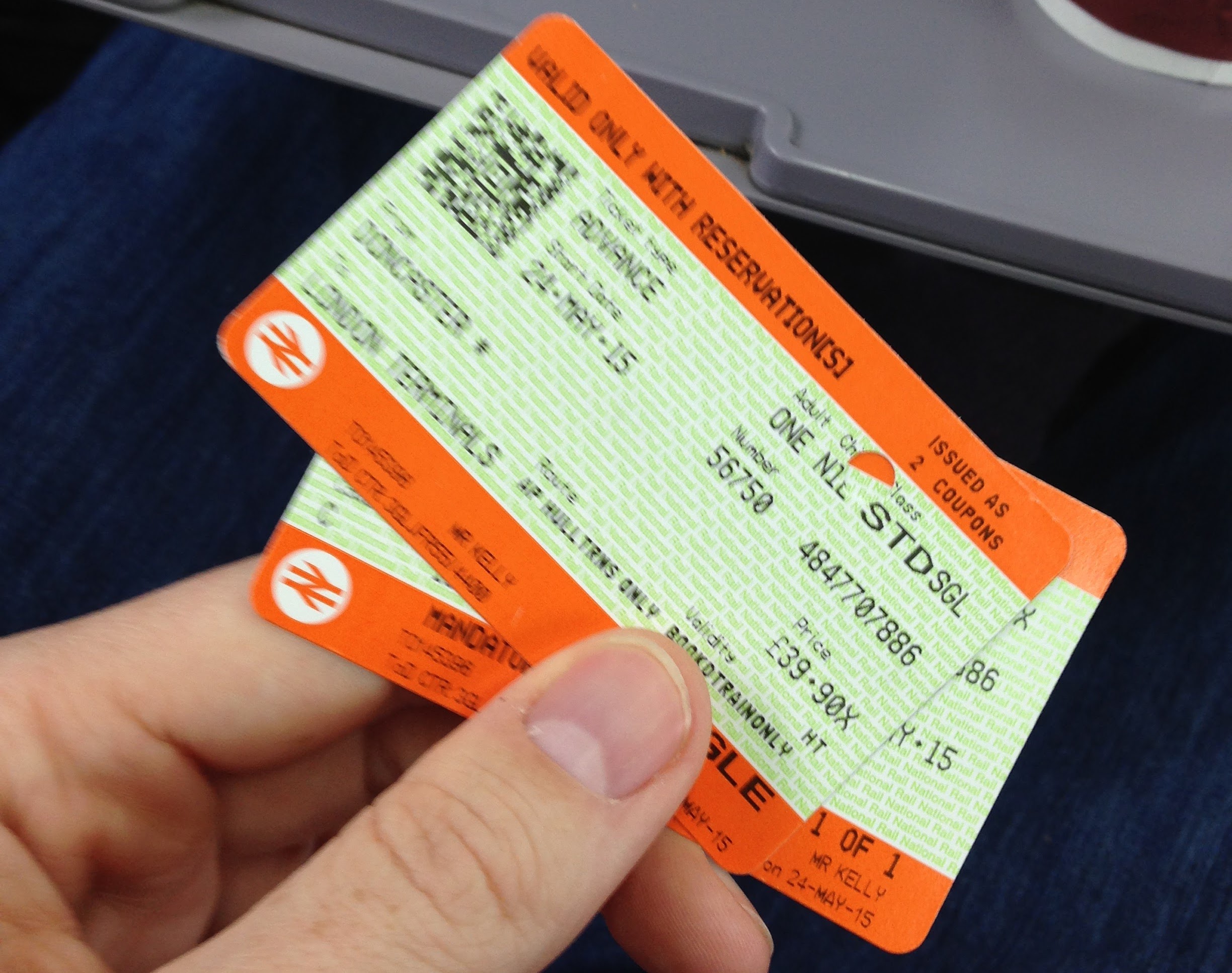
- Book Advance if your time is fixed: If you know exactly which train you are catching, an Advance single will almost always beat both Off-Peak and Anytime walk-up prices.
Understanding the difference between Anytime and Off-Peak tickets is not about memorising railway rulebooks. It is about spotting when a tiny adjustment to your departure time saves enough money to fund the rest of your trip.