DepartUK › Guides › What to Do When Your Train Is Cancelled at an Unstaffed Station
What to Do When Your Train Is Cancelled at an Unstaffed Station
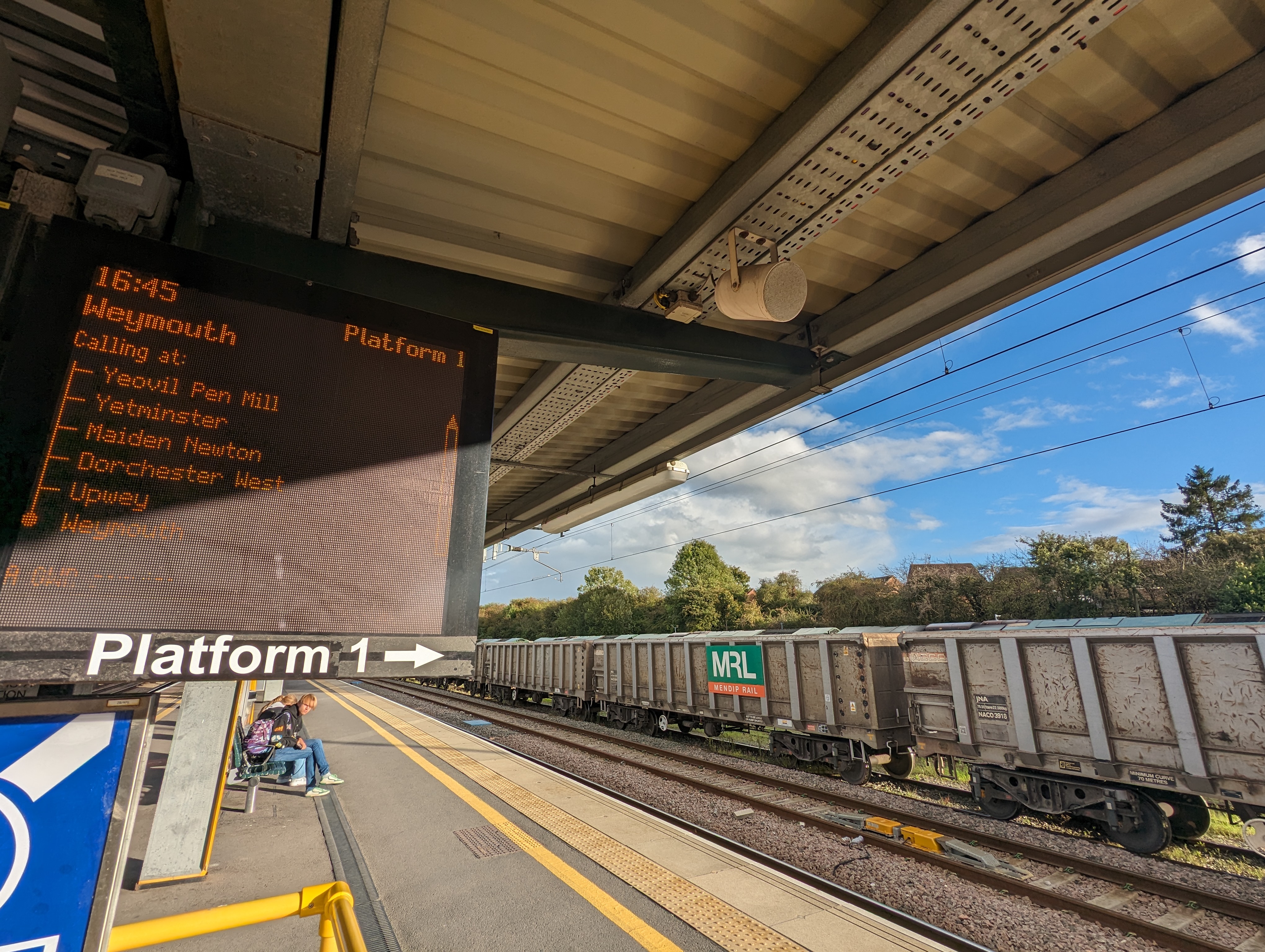
Standing on a quiet railway platform when the screen flickers to "Cancelled" is a sinking feeling. At major hubs like Leeds or Bristol Temple Meads, cancellations are frustrating, but you can always find an information desk or ask staff on the concourse.
At an unstaffed station, the silence can feel unsettling. Over half of Britain's railway stations have no permanent staff. Whether you are at a rural halt like Avoncliff or Bardon Mill, an isolated junction like Dovey Junction, or a suburban stop late on a Sunday evening, you might feel completely stranded.
In reality, train operators have clear legal obligations to look after you. Here is what to do when your train is cancelled and there is no staff around.
1. Press the station Help Point
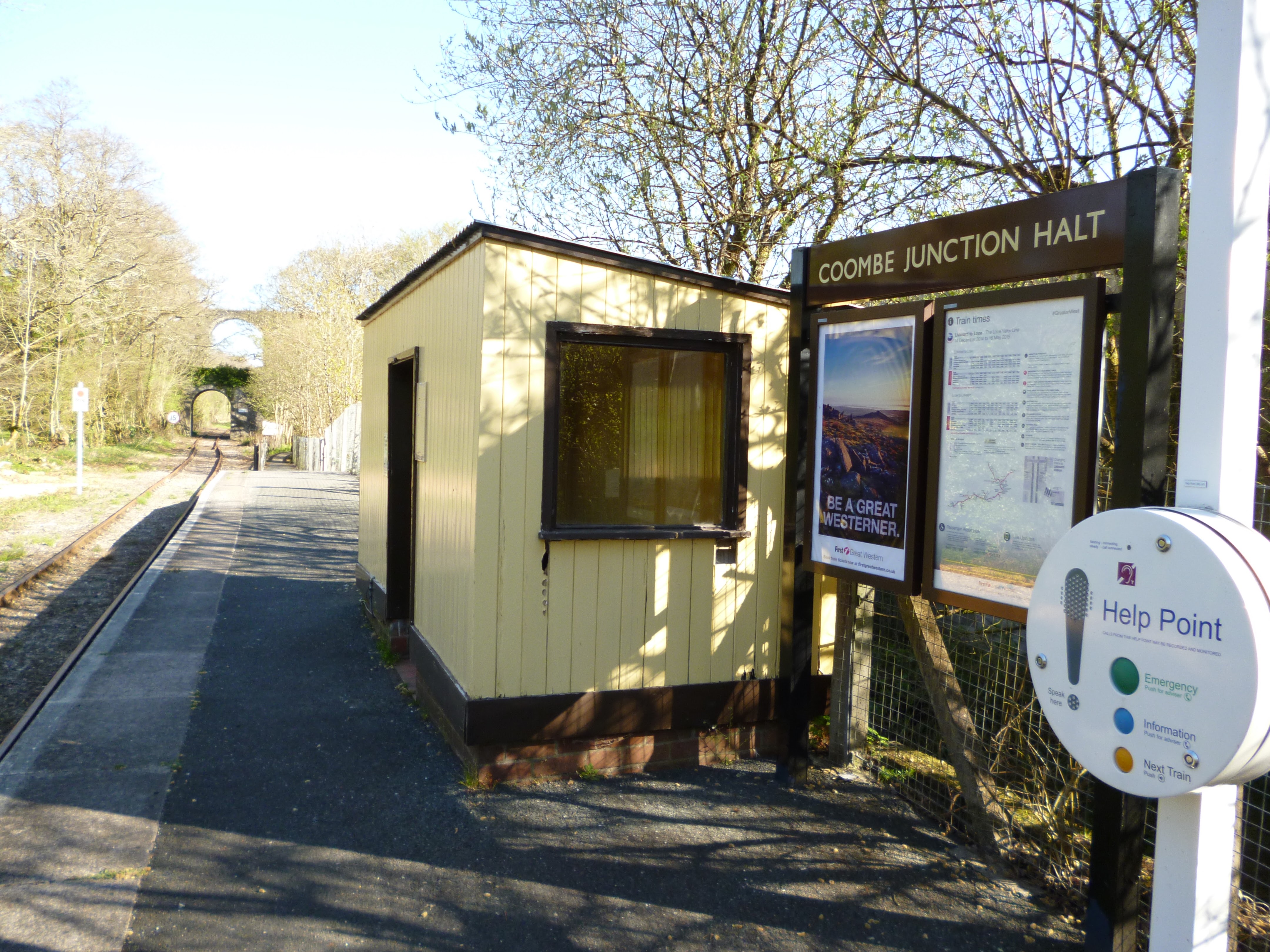
Almost every unstaffed UK station has a customer Help Point—usually a metal pillar or wall-mounted unit with an intercom speaker and push buttons.
Look for the button marked Information (or "Info") and press it. This connects you directly to the train operator's control or customer service team.
Using the Help Point has one major advantage: the system automatically tells the operator the exact station and platform you are calling from. Tell the advisor your train has been cancelled, confirm your destination, and ask what alternative arrangements are being made.
Pressing that button also registers your presence. Rail control teams cannot monitor every unstaffed platform in real time; knowing passengers are waiting directly influences decisions to call an extra stop on a later train or dispatch road transport.
(Reserve the red "Emergency" button for urgent safety hazards or medical issues—routine disruption belongs on the Information line.)
2. Check live departure feeds on your phone
Automated platform announcements and older dot-matrix screens often lag behind real-time events. Check live departures on DepartUK to see what is happening across the line.
Look at the details behind the cancellation: - Has the train been cancelled throughout, or did it terminate short of your station? - Is another service scheduled 15 or 20 minutes behind? - Is it an isolated fault, or has an incident blocked the entire line?
Knowing whether you face a brief wait for the next service or hours of disruption determines your next move.
3. Understand the railway's duty of care (and taxis)
Under Condition 28 of the National Rail Conditions of Travel, train operators have a contractual duty to get you to your destination—or return you to your start point—if your journey is disrupted by cancellations.
If your cancelled train was the last service of the day, or if no train will arrive for hours, the operator must arrange alternative transport. This usually means a replacement bus or a licensed taxi. In rare circumstances, they must arrange overnight accommodation.
The key rule with taxis: do not simply hail a minicab yourself and assume you will be reimbursed. Train companies rarely pay for self-booked taxis without prior agreement.
Always ask the advisor on the Help Point or customer service line first: "Can you dispatch a taxi, or can I book one and claim the fare back?" If they authorise you to book your own, note down the advisor's name, the time, and keep your receipt.
4. Head to the official replacement bus stop
If replacement road transport is arranged, do not wait on the platform. At older or smaller stations like Craven Arms or Hebden Bridge, the station forecourt is often too tight for a 50-seater coach to turn around.
Head towards the station entrance and check the information poster board. There is almost always a map showing the designated "Rail Replacement Bus Stop". This is usually located on the nearest main road, at a council bus stop, or by an adjoining bridge. Look out for yellow replacement bus signs on nearby posts.
5. Check for ticket acceptance on local buses
During major cancellations, train operators frequently agree mutual ticket acceptance with local bus companies and neighbouring rail operators.
If a scheduled local bus route connects your station to a nearby town or interchange, your train ticket will often let you board without paying an extra fare. Check the operator's live travel alerts online to see if local bus routes (such as Stagecoach or Arriva) are accepting rail tickets.
6. If you abandon your journey, get a full refund
If the cancellation ruins your plans and you decide not to travel, you do not have to swallow the cost of your ticket.
Under the National Rail Conditions of Travel, if your train is cancelled or delayed and you abandon your journey, you are entitled to a full 100% refund with no administration fee. This applies even to non-refundable Advance tickets. Claim the refund from the retailer where you bought the ticket.
If you carry on and arrive at your destination late, keep your ticket and claim Delay Repay compensation online. Snapping a photo of the cancelled departure screen on the platform provides handy supporting evidence.
An unstaffed station can feel lonely during disruption, but you are never without rights. Use the Help Point, check the replacement bus stop, and let the railway get you home.